
123 Main Street, New York, NY 10001
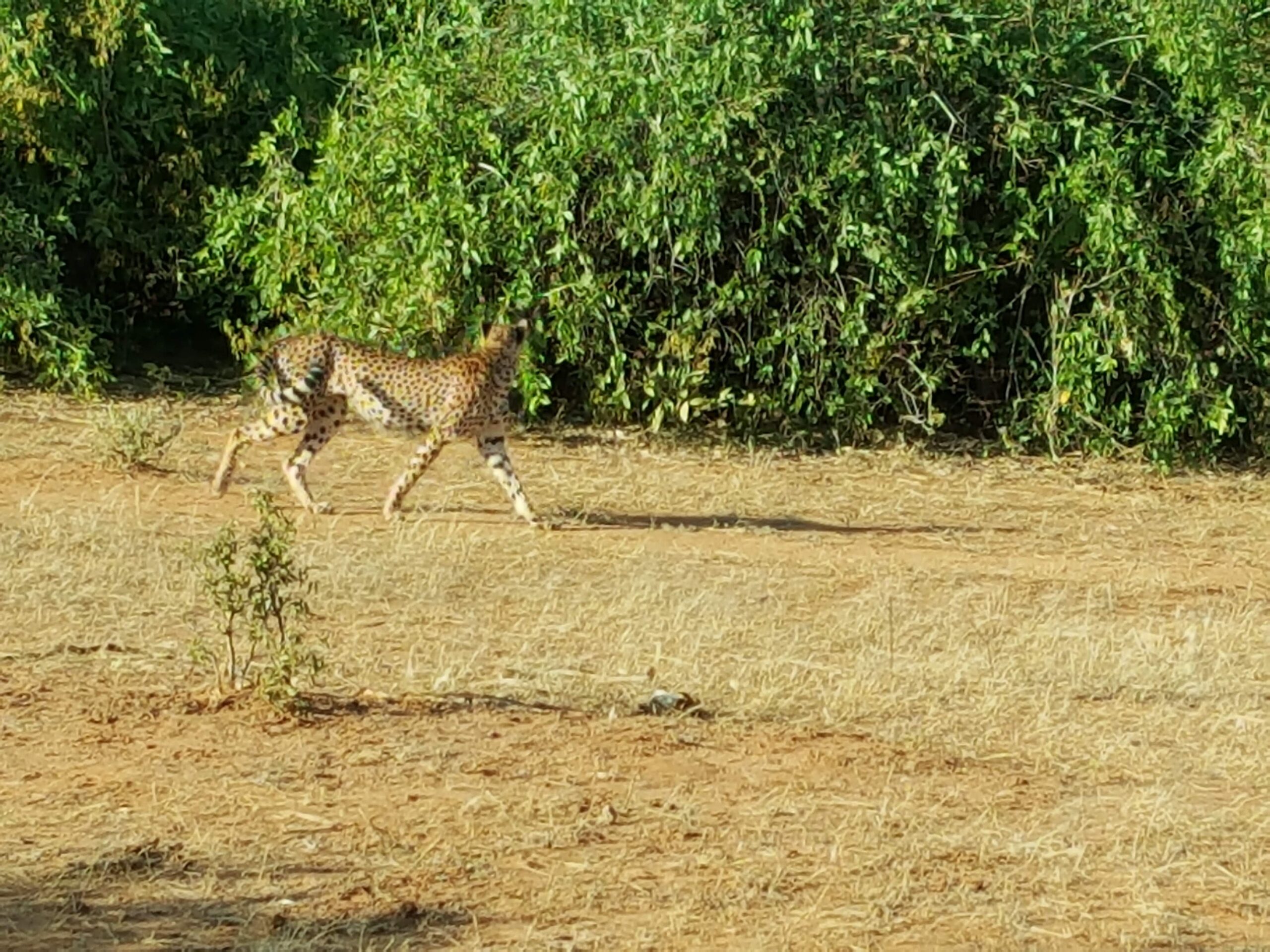
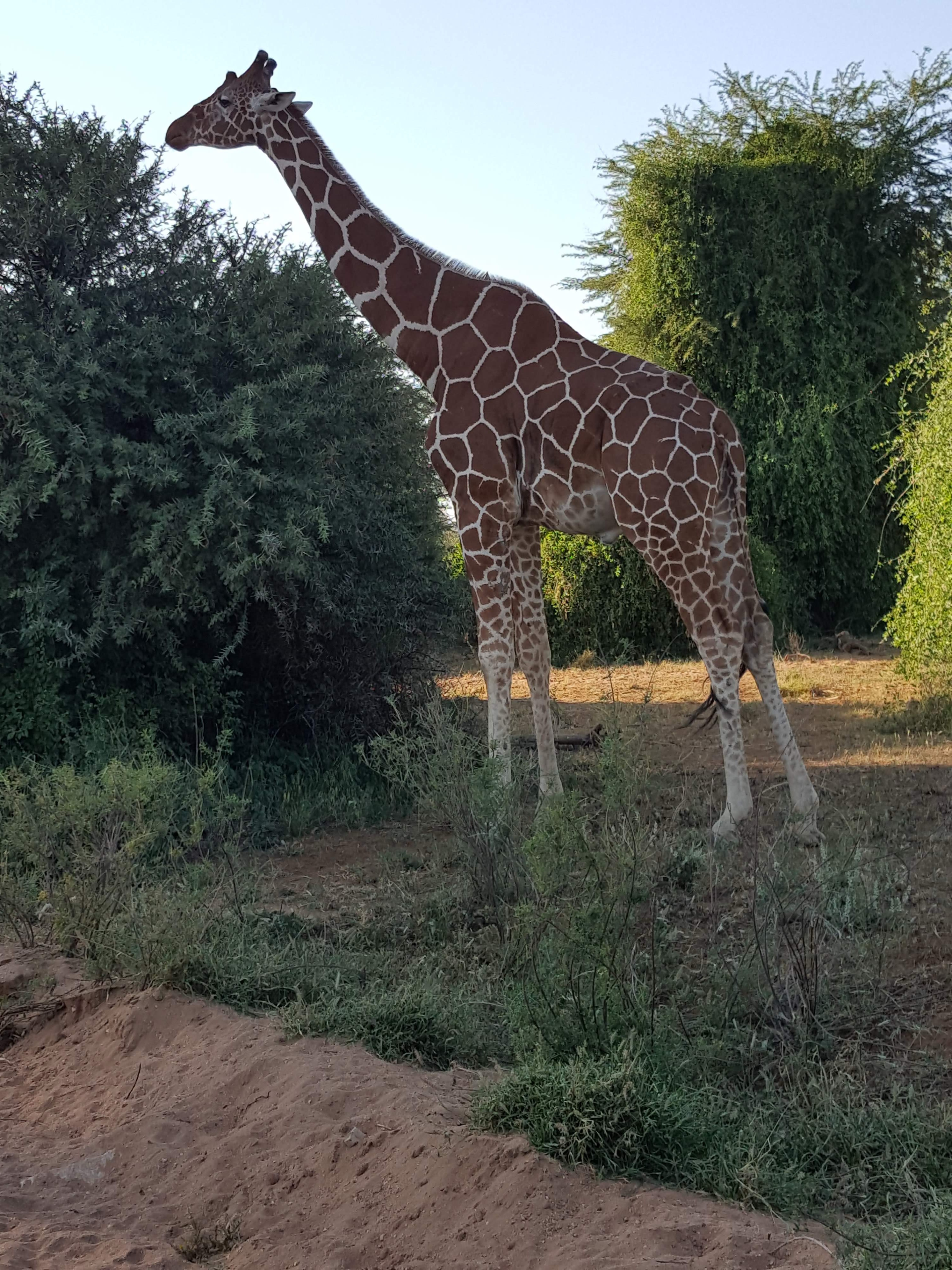
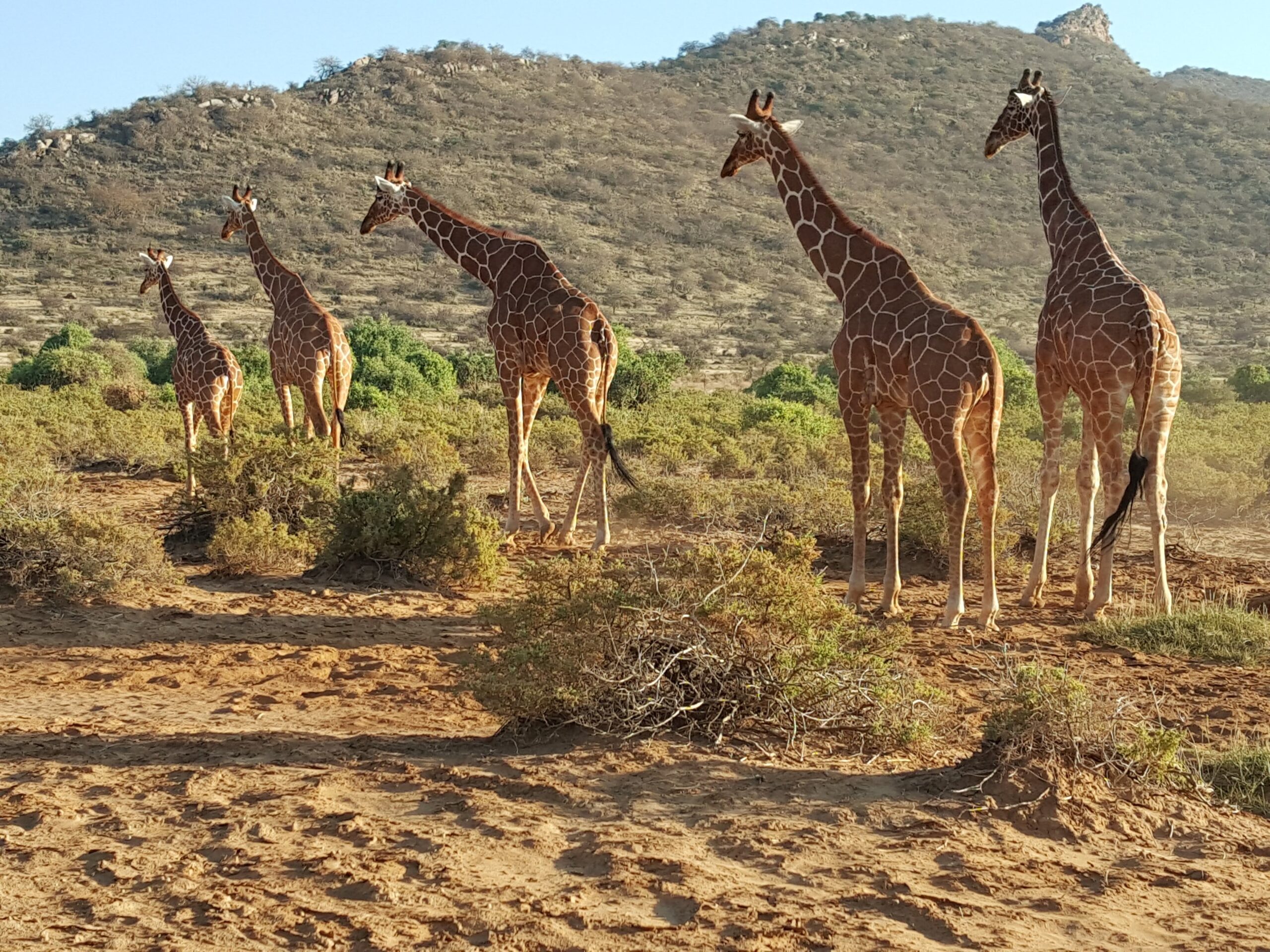
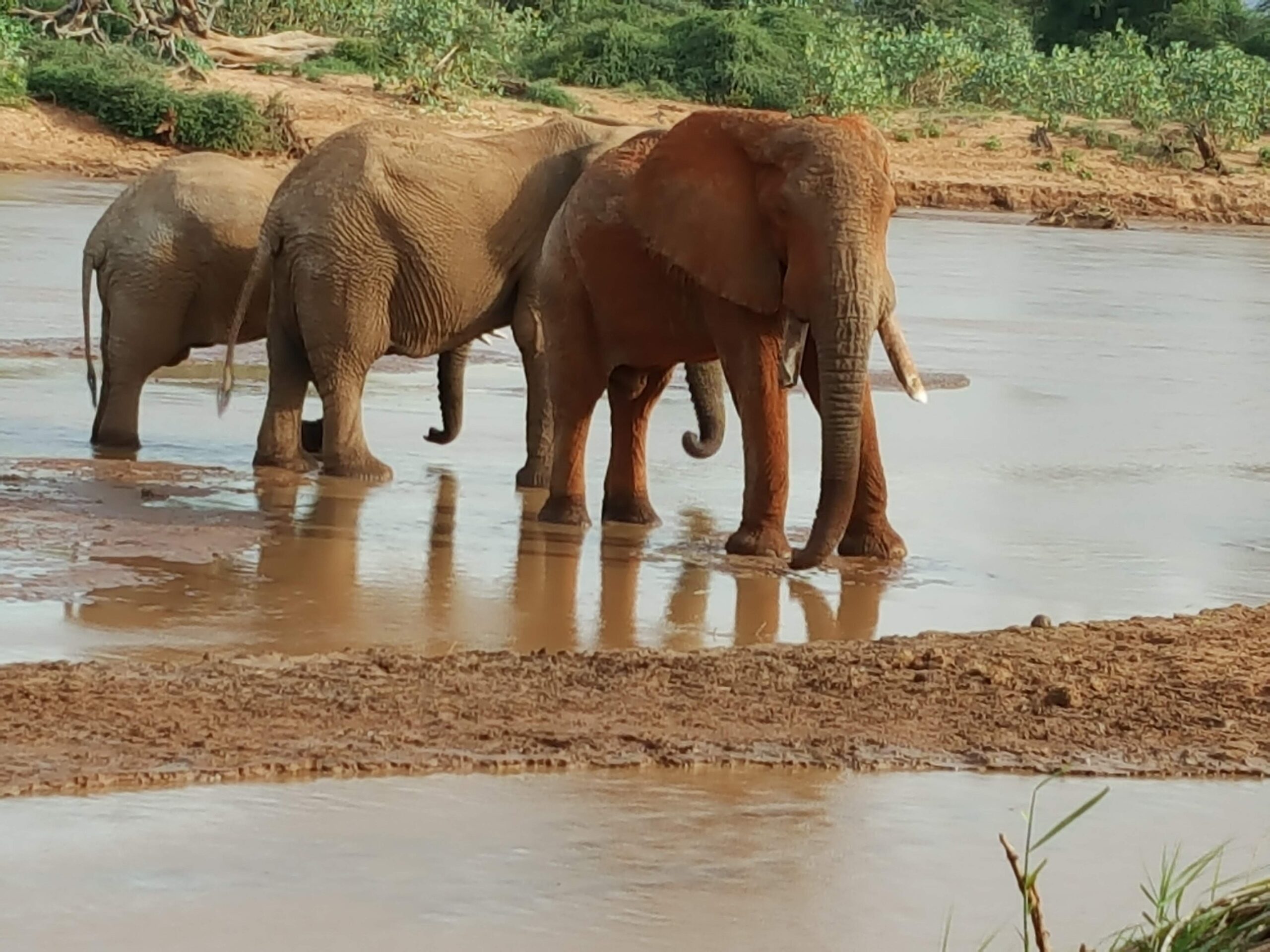
The incredible Masai Mara is one of the most famous natural areas in Africa, and with its diversity of animals, you get to experience the African wildlife up close! At Lake Naivasha there will be exciting safaris on foot and by boat, and you fly directly to the Indian Ocean from Nairobi. Enjoy magical days at the beach, experience the coastal culture and relax in the sun.
Lake Naivasha, Masai Mara, Diani Beach
Private guide – English speaking
Private safari vehicle – only for you
Accommodation as described in program
Meals as described in program
Boat safari on Lake Naivasha
Hiking safari on Crescent Island
Safari in Masai Mara
All park fees
Flights Nairobi – Kenya coast (20 kg)
6 nights at a beach hotel
All transfer in the program
THE PRICE DOES NOT INCLUDE:
Return flights Norway
Safari guide/driver tips, USD 10 – 15 per day, from each of you
Visa when entering Kenya, USD 50 per person
Travel conditions
Top Africa AS’s travel conditions form the basis for the agreement you make with Safarireiser.no when you book a trip. Read our terms and conditions of travel.
The Norwegian Travel Guarantee Fund
Topp Afrika AS is a statutory member of the Norwegian Travel Guarantee Fund. The travel guarantee scheme ensures you your money back if the package tour (a guaranteed trip) is cancelled as a result of bankruptcy. More information about the Travel Guarantee Fund can be found on www.rgf.no.
Flights
Most of our tours do not include return flights Norway. The exception is certain trips on specific dates (Christmas trips, group tours and so on) where we hold group tickets. This means that you can book your flight yourself if you want. When we book flights, you first get a reservation for the flight where you can see the itinerary. You are responsible for checking that all names are spelled in the same way as in your passports. We use electronic flight tickets that you print out yourself, or download the airline’s app and enter the trip there.
Vaccines
It is important to be vaccinated before your trip to East Africa. Contact the vaccine clinic or GP for more information about which vaccines are needed during the trip. Remember to be out in good time with the vaccination and bring your vaccination card with you on the trip. If you begin to feel unwell after traveling, do not hesitate to consult a doctor. Tell your doctor about your trip to Africa.
Go to FHI for the latest updated list of recommended vaccines.
Travel insurance
The customer is responsible for taking out travel insurance before departure. Bring your insurance certificate with you on your trip. We ask you to contact your insurance company and consult them before departure to check if you have adequate travel insurance for your trip.
Medicine and health care
Part of the journey is spent in the bush, which means it can be difficult to solve special needs quickly and easily during the journey. It may be a matter of diet or medication, so it is very important that we are notified of any special needs when booking safari programs so that we can adapt the program or issue special directives. All travelers are responsible for bringing the medication they need. It’s a good idea to bring your own little “medicine kit” for preventive purposes; Headache tablets, hand sanitizer, patches, medicines for stomach disease, etc. In many of the villages passed by during the tour there are small pharmacies, but it cannot be guaranteed that the medicines you are looking for are available. Local hospitals and local health services are of a relatively low standard, and in the big cities there are opportunities for good hospitals.
Baggage and weight
Our packing list can hopefully be of help when you pack for your trip. Remember to check how much baggage you can bring on your flight. The weight varies depending on which airline you fly with. If you are flying domestically during your journey, please be extra attentive, as special rules often apply to domestic flights. For example: 15 kg per person including hand luggage. In case of questions or ambiguities regarding baggage, please contact us.
Be sure to carry indispensable things in your hand luggage; passports, including vaccination cards, airline tickets, insurance, credit cards, money, prescriptions, medicines, cameras, binoculars and other high-value items.
Importation into Norway
You are responsible for ensuring that the items you bring with you to Norway are legal to import. Laugh more at www.toll.no.
Tip
Tips are part of the culture of Kenya. Although tips are voluntary, you are expected to tip in different situations to thank you for good service and job well done.
We recommend that you tip your safari guide on the last day when you leave him at the airport. Remember that tips should reflect the job done. Most hotels/lodges/camps have a “tipbox” standing at the reception. Tips are then distributed to everyone who works on site. The usual tip for drivers on safari days is 10 – 15 US$ per person per day. The usual tip for accommodations is 1 – 5 US$ per person per day.
Security
If you are in big cities like Nairobi or Mombasa, we recommend taking general caution and vigilance, and avoiding walking around the streets after sunset. If you need a taxi, you can book it with our help or via the hotel. Avoid taking a taxi out onto the street.
On safari, it is important to notify a guard if you want to leave the tent or lodge. There may be wild animals nearby.
Read more about the security situation in Kenya here.
Please note that all the Ministry’s travel advice is adapted to those who travel without an organizer. When you travel with us, we make sure to plan your trip in the safest possible way and we do not arrange trips to areas that the Ministry of Foreign Affairs discourages or that we ourselves do not consider safe.
Language
The official languages of Kenya are English and Swahili. In hotels and tourist attractions, English is used. There are a total of over 40 tribal languages in Kenya.
Time difference
Kenya is one hour ahead of Norway daylight saving time, and two hours ahead of winter time.
Currency
The currency in Kenya is the Kenyan Shilling (KSH), often it is more advantageous to pay in local currency than to pay in USD. One can easily withdraw Kenyan shillings at an ATM at the airport, in Nairobi or in other cities. It is also possible to pay with USD throughout the trip. Be sure to bring smaller denominations ($1-5 bills) as they are most useful. It is possible to pay by card (in which case a fee of 5%) is often added at most hotels/lodges & camps, but this can vary depending on coverage, so it is important to have access to enough cash.
Electronics
Out in the wilderness, there are many lodges and camps that are not connected to the regular power grid, instead they use generators or solar cells. The generators are often only used for a few hours during the day, which means that there may be limited time to charge mobiles and cameras. In places where there are no charging facilities in the room / tent, it will in most cases be possible to charge at the reception. Several of our cars have a power socket and charging facilities while driving, but feel free to bring a good power bank. In most beach hotels there is electricity available around the clock, but power outages are quite common.
Adapter is required in Kenya and they use a type G. Same as in the UK.
If you wish to use your mobile in Kenya, you should check with your mobile operator which prices apply. It can often be cheaper to buy e-sim from Airalo or similar. Mobile coverage is good, but there may be some “pockets” without coverage.
Most accommodations have Wi-Fi available in public areas.
Passport & Visa
The passport must have a validity date of at least 6 months on the last day of the trip. There must be a minimum of 2 free pages in the passport. Check your passport before departure and check that there is no damage. It may be sensible to have a copy of your passport with you on your trip.
You must apply for an electronic entry form to Kenya before departure on https://www.etakenya.go.ke/en. Price is $30 plus a $1 service fee. After registration, it takes about 7 days for the visa to be issued. The electronic visa is printed out and taken with you on the trip.
The customer is responsible for familiarising themselves with the country’s visa requirements and visa costs before departure.
Climate
Kenya has a wonderful tropical climate, along the coast there is high humidity and in the highlands there are often cool evenings. April and May are often called “the big rainy season”, during these months it can rain for several days in a row. November is usually called “the little rainy season”, then it is usually about shorter showers in the afternoon and evening. During these months there are usually few tourists, the parks are green and lush and it is possible to get good prices on hotels and lodges. Evenings and mornings can be a bit chilly, so we recommend bringing some warm clothes.
Apparel
When you are on safari, it is good to have comfortable clothes. It is important not to dress in screaming colors, but to choose clothes that blend more in with nature. It is often a little chilly early in the morning, then it can be okay with long sleeves and long trousers, while the days are usually warm, then it is important to think about protecting yourself from the sun.
No special dress code applies to safari lodges.
As a tourist, it is important to remember that you are in a country with a different culture, and be aware that large parts of the coastal areas of East Africa, including Zanzibar, are Muslim communities. When moving in public places, one should always wear clothing that covers the shoulders, knees and navel.
Plastic
There is a ban on plastic bags in Kenya. Avoid carrying plastic bags in your luggage upon arrival in the country. Zip lock bags for liquids in hand luggage are tolerated, as tourists are expected to use them for the return journey. Waste management is a big problem, so be conscious of not using so much disposable equipment.
Norwegian Embassy
The Norwegian Embassy in Kenya is located in the country’s capital, Nairobi.
Homepage: https://www.norway.no/en/kenya/
Phone:
Local in Kenya: 020 425 1000
From other countries: +254 20 425 1000 / +47 2395 7600
Telephone hours: Monday to Friday, 10:00-13:00
Email: emb.nairobi@mfa.no
The Foreign Service asks everyone who intends to stay abroad for a long period of time to register via their app or website. Download the app “Reiseklar” where the Ministry of Foreign Affairs’ travel information, travel advice and travel registration available in one app, or register the trip on www.reiseregistrering.no. This will make it easier for the Foreign Service to contact you if something should arise in the area where you are located. In an emergency situation, the Foreign Service will try to contact you by e-mail, SMS or telephone if you enter relevant information with them. The Foreign Service does not guarantee that they will be able to help you in all situations.